How Your DNA Determines Your Sleep — Chronotype, Duration and Recovery
Why does one person thrive on 6 hours while another needs 9? Why can some people shift their schedule with ease while others feel permanently jet-lagged? The answer lies in your genetics — and understanding yours changes everything.
The Genetic Basis of Sleep
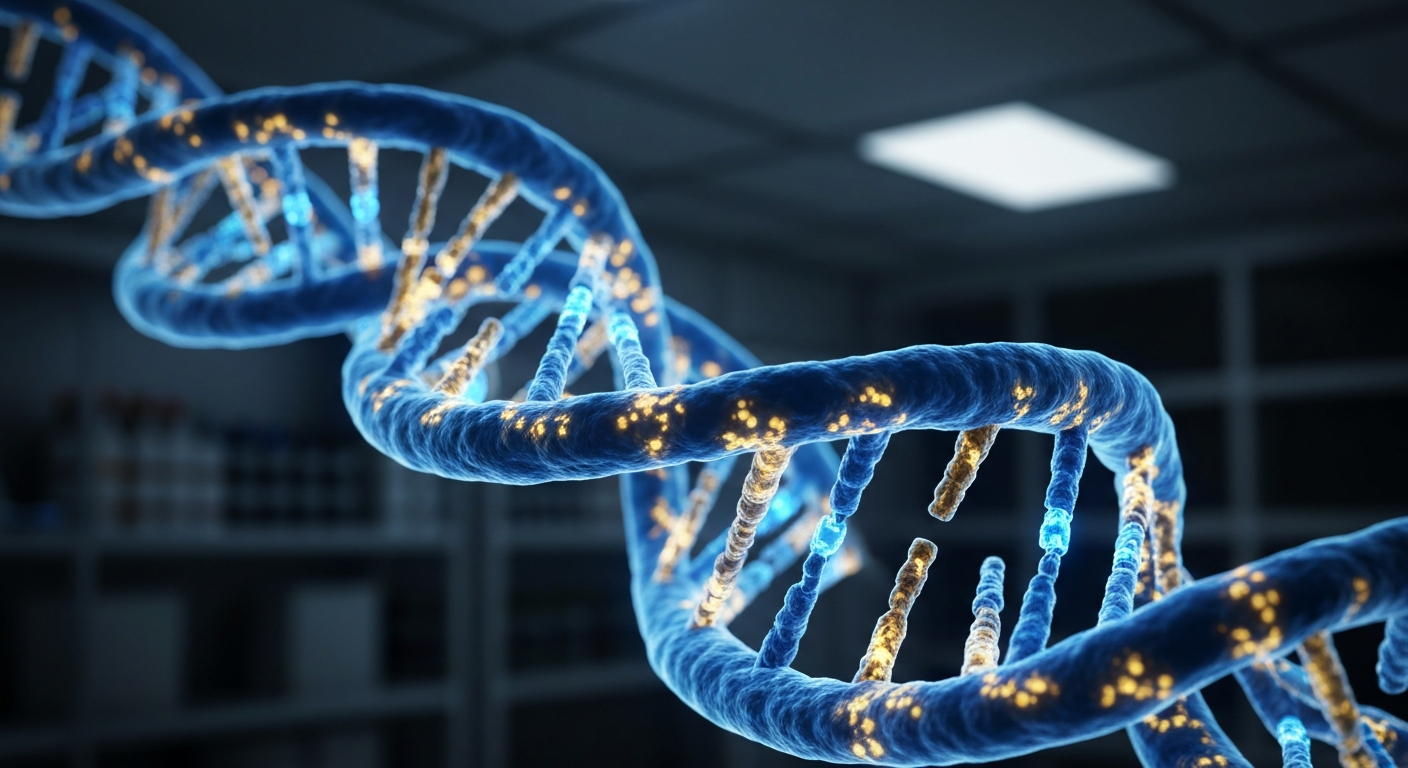
Sleep is not a single behaviour — it is a complex biological process regulated by hundreds of genes. Research has identified specific gene variants that influence when you naturally feel sleepy, how long you need to sleep, how deeply you recover and how sensitive you are to sleep deprivation.
This is not just academic. If you are consistently forcing yourself to wake earlier than your biology wants, working against your genetic chronotype, you are operating under chronic sleep pressure — regardless of how many hours you spend in bed. And if you are genetically a long sleeper but routinely getting 6 hours, you are functioning in a state of perpetual under-recovery.
Understanding your genetic sleep profile is one of the most powerful ways to remove the guesswork from optimisation.
What Is a Chronotype — and Why Does It Matter?
Your chronotype is your genetically determined preference for sleeping and waking at certain times. It is driven primarily by your circadian clock genes — particularly variants in the CLOCK, PER3 and CRY1 genes.
Morning Type (Lark)
~25% of population
Natural peak alertness in the morning. Performs cognitive work best before noon. Struggles staying up late. Often misidentified as disciplined — it is biological.
Intermediate Type
~50% of population
Flexible circadian rhythm with moderate preference. Slight evening lean, but can adapt well to a range of schedules with the right light exposure and timing protocols.
Evening Type (Owl)
~25% of population
Natural peak cognitive performance in the afternoon and evening. Often forced into morning schedules that create chronic misalignment and sleep deprivation.
Most people assume their sleep preference is a habit or laziness. In reality, it is biology. Trying to override your chronotype long-term without understanding it leads to social jet lag — a state of chronic misalignment between your internal clock and your schedule — which is directly linked to higher cortisol, reduced cognitive performance, metabolic dysfunction and lower HRV.
Genetic Sleep Duration — How Much Sleep Do You Actually Need?
The "8 hours for everyone" rule is a myth. Genetic variants — particularly in the DEC2 gene — influence your optimal sleep duration. Short sleepers (genuinely needing 6 hours) are rare but real. The vast majority of people who claim to function well on 6 hours are chronically sleep-deprived and have adapted to impaired performance as their baseline.
Your genetic sleep duration report tells you your biologically optimal sleep need. This single data point can transform how you structure your schedule — because you stop guessing and start designing your sleep around what your body actually requires.
Clients who have been sleeping 6.5 hours and learning their genetic optimal is 8.5 hours — then making the shift — report dramatic improvements in energy, mood, HRV and cognitive output within two to three weeks.
DNA and Sleep Quality: Beyond Duration
Your genetics also influence how you sleep, not just how long. Key genetic insights include:
Linked to sleep architecture and risk of sleep-disordered breathing. Relevant for understanding deep sleep quality and cardiovascular recovery during sleep.
Influences dopamine metabolism and stress resilience. Variants affect how quickly the brain clears stress hormones — directly impacting sleep onset and quality under pressure.
Affects methylation, which regulates melatonin and serotonin production. Poor methylation leads to disrupted sleep onset, reduced melatonin and compromised mood regulation.
An inflammatory marker gene. Elevated inflammation suppresses sleep quality and HRV. Nutritional strategies based on this variant can meaningfully improve recovery.
Brain-derived neurotrophic factor — affects neuroplasticity, deep sleep and stress adaptation. Variants influence how much sleep is needed for cognitive restoration.
How We Use DNA in the Circadian Advantage Method
Within our 12-Week Elite Coaching programme, clients receive the world's most comprehensive genetic sleep and health report — covering optimal sleep duration, chronotype, recovery genetics, nutritional needs, inflammation markers and over 500 additional health insights.
This data is then integrated with wearable data (Oura Ring, Whoop, Apple Watch) and bloodwork to create a precision sleep performance plan that is built entirely around your individual biology — not generic best practices.
The result is that every protocol, timing recommendation, nutritional tweak and lifestyle adjustment is personalised to your genetic profile. This is the difference between guessing what might work and knowing exactly what your body responds to.
Frequently Asked Questions About DNA and Sleep
Can I improve my sleep if I have bad sleep genes?
Yes. Knowing your genetic tendencies tells you where to focus your energy. Someone with a genetic predisposition to evening chronotype can still perform well in a morning-heavy schedule — by applying the right light, timing and environment protocols. Genetics inform strategy, they do not determine fate.
Do I need a DNA test to work with you?
No. The genetic report is included in the 12-Week Elite programme. The 4-Week Accelerator uses wearable data and lifestyle assessment without genetic testing.
Is genetic sleep testing accurate?
The genetic reports we use are based on peer-reviewed research. They identify inherited tendencies and risk factors — not certainties. Combined with wearable data and coaching, they are highly actionable.
What is the difference between chronotype and sleep preference?
A sleep preference can be influenced by habits, environment and lifestyle. Your chronotype is the underlying biological tendency driven by your genes. You can adjust behaviours, but you cannot override your chronotype — only work with it more intelligently.
Ready for a Precision Sleep Performance Programme?
The 12-Week Elite Coaching programme includes a comprehensive genetic report, Oura Ring data analysis and a fully personalised sleep performance system built around your biology.
Apply for 12-Week Elite Coaching