Why Am I Tired After 8 Hours Sleep? The Real Reasons You Still Wake Up Exhausted
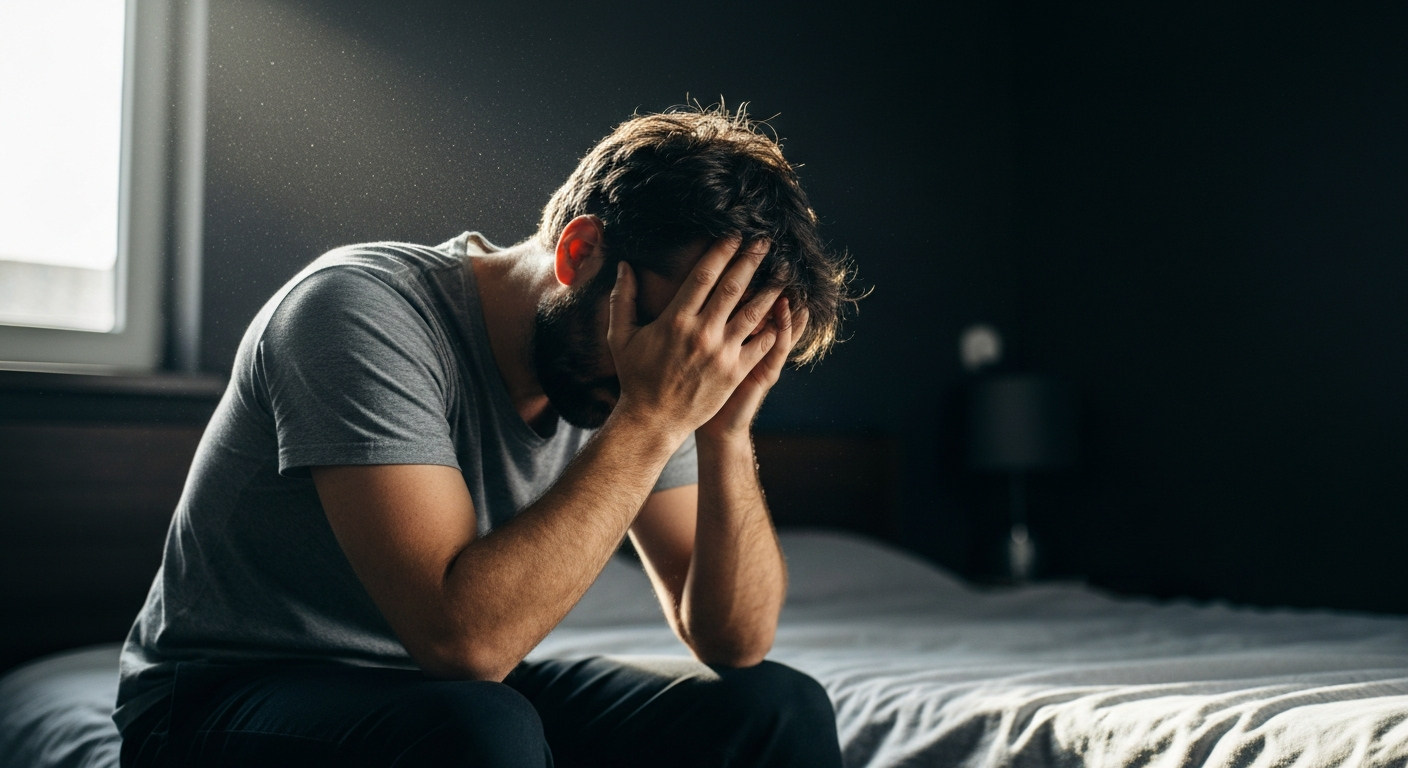
You slept 8 hours. You did everything you were supposed to do. And you still woke up feeling exhausted, foggy and under-resourced for the day ahead. If this sounds familiar — you are not alone, and you are not imagining it. Total hours in bed is only one part of the picture.
Quick Answer
Feeling tired after 8 hours of sleep is most commonly caused by poor sleep quality, not insufficient hours. The likely culprits include fragmented sleep, stress and anxiety, circadian rhythm misalignment, alcohol, late caffeine, poor sleep environment, inconsistent wake times, recovery debt or undiagnosed sleep-disordered breathing. Total sleep time is only one part of what determines how you feel in the morning.
Sleep Hours vs Sleep Quality — Why the Difference Matters
The most important shift in understanding sleep is this: the number of hours you spend in bed is not the same as the quality of sleep you receive while you are there.
Sleep is not a single, uniform state. Over the course of a night, your body cycles through distinct stages — light sleep, deep sleep (also called slow-wave sleep) and REM sleep — each with specific biological functions. If those stages are disrupted, shortened or skipped, you will wake feeling unrefreshed regardless of how many hours elapsed.
Here is what each stage is responsible for:
Deep Sleep (Slow-Wave Sleep)
The most physically restorative stage. During deep sleep, your body repairs tissue, releases growth hormone, consolidates immune function and clears metabolic waste from the brain. Insufficient deep sleep is one of the most common reasons people wake tired despite adequate hours.
REM Sleep
Responsible for memory consolidation, emotional processing and cognitive restoration. Low REM sleep — which is frequently caused by alcohol, stress or inconsistent sleep timing — is strongly associated with brain fog, poor mood and reduced mental performance.
Sleep Continuity
Frequent awakenings — even brief ones you may not consciously remember — fragment the sleep cycle and prevent progression into deeper stages. A night of 8 hours with 12 micro-awakenings is biologically very different from 8 uninterrupted hours.
Circadian Timing
Your body has an internal clock that determines when deep and REM sleep are biologically programmed to occur. Going to bed at a time that conflicts with your natural circadian rhythm — too late or too early for your chronotype — reduces the quality of sleep even if total hours appear normal.
Nervous System State
If your nervous system is in a state of elevated arousal due to stress, anxiety or unresolved cortisol from the day, the body cannot fully transition into deep, restorative sleep. High cortisol at night is one of the most underestimated drivers of morning fatigue.
The Most Common Reasons You Wake Up Tired After 8 Hours
Understanding the specific cause of your fatigue is the starting point for fixing it. These are the most frequently identified drivers in clients across the UK, USA and Canada who sleep 8 hours but still wake exhausted:
Waking During the Night
Even brief awakenings fragment sleep architecture and reduce the proportion of deep and REM sleep. Common causes include stress hormones, temperature, noise, light exposure or an overfull bladder.
Stress and Anxiety
Chronic stress maintains elevated cortisol levels into the evening, suppressing melatonin and keeping the nervous system activated. The result is lighter, less restorative sleep — regardless of total hours.
Going to Bed Too Late for Your Body Clock
Your chronotype — which is largely genetically determined — dictates when your deepest, most restorative sleep is biologically scheduled. Sleeping at the wrong time for your biology means poor-quality sleep even if the hours are sufficient.
Alcohol
Alcohol is one of the most significant suppressors of REM sleep. It may help you fall asleep faster but significantly reduces sleep quality, causes mid-night awakenings and consistently produces lower readiness scores on wearable devices.
Late Caffeine Consumption
Caffeine has a half-life of 5–7 hours. A 3pm coffee means a significant caffeine load is still active at 9pm — reducing sleep pressure, delaying sleep onset and reducing deep sleep percentage overnight.
Poor Bedroom Temperature
Core body temperature needs to drop to initiate and sustain deep sleep. A bedroom that is too warm prevents this temperature drop — producing lighter, more disrupted sleep even when total hours are adequate.
Snoring or Possible Sleep Apnea
Sleep-disordered breathing causes repeated micro-awakenings throughout the night, dramatically reducing sleep quality. Many people with mild or moderate sleep apnea have no awareness of it — they simply wake feeling consistently unrefreshed.
Heavy Meals Late at Night
Late eating elevates core body temperature and triggers digestive processes that interfere with sleep quality. It also delays the natural cooling process required for deep sleep initiation.
Overtraining or Under-Recovery
Intense training creates a physiological demand that — without adequate recovery infrastructure — produces elevated resting heart rate, lower HRV and fragmented sleep. More training without better sleep is a diminishing return.
Inconsistent Wake Times
The single most important signal your circadian clock receives is the time you wake up each morning. Inconsistent wake times — including weekend lie-ins — disrupt your circadian rhythm and reduce sleep quality across the entire week.
Burnout and Chronic Stress Load
Sustained high-output living without adequate recovery creates a chronic stress burden that fundamentally alters sleep architecture — reducing deep sleep, increasing night waking and producing persistent morning fatigue that does not respond to simply sleeping more hours.
Signs Your Sleep Quality Is Hurting Your Performance
Beyond simply feeling tired in the morning, poor sleep quality has measurable consequences that show up throughout the day — many of which are commonly misattributed to other causes:
Brain Fog and Slow Thinking
Difficulty processing information, making decisions or accessing creative thinking — particularly in the first half of the day — is a direct indicator of insufficient deep and REM sleep.
Low Motivation
Sleep deprivation suppresses dopamine signalling — reducing drive, initiative and the capacity to generate enthusiasm for tasks that would normally feel engaging.
Immediate Caffeine Dependence
If your first thought on waking is that you urgently need coffee to function, this is a signal that your sleep is not delivering adequate biological restoration.
Afternoon Energy Crashes
A significant afternoon energy crash — particularly between 2–4pm — is often a sign of circadian disruption and insufficient sleep drive, not just a post-lunch dip.
Poor Gym Recovery
Slower strength gains, higher perceived exertion, increased injury frequency and reduced motivation to train are all downstream consequences of chronically poor sleep quality.
Heightened Irritability
Poor sleep reduces the prefrontal cortex's ability to regulate emotional responses, making stress feel disproportionate, patience shorter and interpersonal interactions more difficult.
Reduced Focus and Attention
The ability to sustain concentration on demanding cognitive tasks is highly sensitive to sleep quality. Even mild sleep disruption produces measurable reductions in attentional performance.
Wake Up Energised Again
Apply for private sleep coaching and identify the exact reason you are waking tired — and the fastest route to fixing it. Available online across the UK, USA and Canada.
Apply for CoachingHow to Fix Feeling Tired After 8 Hours Sleep
The most effective approach is to identify your specific bottlenecks rather than applying generic advice. That said, the following evidence-based changes address the most common drivers of poor sleep quality:
Anchor Your Wake Time
Set a consistent wake time and maintain it every day — including weekends. This is the single most powerful input for stabilising your circadian rhythm and improving sleep quality across the week.
Get Morning Sunlight
Natural light exposure within 30–60 minutes of waking anchors your circadian clock, suppresses residual melatonin and sets the timing for cortisol and adenosine — the key drivers of your sleep-wake cycle.
Cut Caffeine After Midday
With a 5–7 hour half-life, afternoon caffeine meaningfully disrupts sleep architecture. Moving your last coffee to before 1pm is one of the most impactful single changes most people can make to sleep quality.
Optimise Bedroom Temperature
A cool bedroom — typically 16–19°C (60–67°F) — supports the core temperature drop required for deep sleep. If your room is too warm, even simple changes like a lighter duvet or a fan can produce meaningful improvements.
Reduce or Eliminate Alcohol Close to Bedtime
Even one or two drinks within 3–4 hours of sleep meaningfully reduces REM sleep and increases the likelihood of mid-night waking. Tracking your readiness score on an Oura Ring or Whoop on alcohol vs non-alcohol nights makes this impact immediately visible.
Eat Earlier in the Evening
Aim to finish your last substantial meal 2–3 hours before sleep. Later eating elevates body temperature and digestive activity — two factors that consistently reduce sleep quality.
Build a Wind-Down Routine
A structured 30–60 minute pre-sleep routine — reducing screen brightness, dimming artificial light, lowering cognitive and emotional stimulation — supports the nervous system's transition from activation to restoration.
Actively Manage Stress Load
Stress regulation is not optional for sleep quality — it is fundamental. Practices that down-regulate the nervous system before sleep (breathwork, journalling, low-stimulation activities) meaningfully improve overnight cortisol profiles and sleep depth.
Review Your Wearable Data
If you own an Oura Ring, Whoop or Apple Watch, your data holds significant diagnostic value. Patterns in HRV, resting heart rate, deep sleep percentage and readiness scores often reveal the specific cause of morning fatigue — making targeted changes far more effective than guesswork.
When to Seek Professional Support
If morning fatigue persists despite implementing lifestyle changes, professional assessment is worth considering. In particular, the following warrant specific attention:
- Persistent fatigue that has not improved after 4–6 weeks of consistent sleep habits
- Loud snoring, gasping during sleep or being told you stop breathing — which may indicate sleep apnea
- Chronic anxiety or racing mind that prevents restful sleep regardless of bedtime habits
- Wearable data showing consistently low HRV, high resting heart rate or minimal deep sleep
- Morning fatigue combined with low mood, low motivation and reduced cognitive performance
A private sleep coach can help identify whether the cause is behavioural, circadian, biological or stress-driven — and create a personalised plan to address it directly. For concerns around possible sleep apnea, a medical assessment is also recommended.
The Circadian Advantage Method: Fixing the Root Cause of Morning Fatigue
Sleep Performance Coach is led by Angus Buckle — an 8-year sleep performance specialist, Approved Oura Teams Provider and creator of the Circadian Advantage Method. Clients in the UK, USA and Canada work with Angus to identify the specific biological and lifestyle drivers of their poor sleep — and receive a personalised programme designed to fix them.
This is not generic sleep hygiene advice. The Circadian Advantage Method is built around four structured stages:
Deep Dive Assessment
A comprehensive intake covering sleep history, schedule, stress load, lifestyle patterns, training, travel and performance goals — identifying your specific root causes rather than applying a generic template.
Analyse with Sleep Data & DNA
Integration of wearable data (Oura Ring, Whoop, Apple Watch) and optional genetic analysis to determine your biological sleep profile, chronotype and individual response patterns.
Adapt
Protocols are refined around your real-world schedule, travel patterns, work demands and life context — including managing the pressures that drive the stress and cortisol disrupting your sleep.
Optimise
Focus on the highest-impact interventions specific to your biology and lifestyle — so you wake energised, perform at your peak and maintain that consistency week after week.
Who Private Sleep Coaching Is For
Private coaching is designed for people who operate at a high level and need their sleep to match the demands of their life:
Busy Professionals
Demanding careers, long hours and constant pressure create chronic sleep disruption. Coaching provides the structure and accountability to fix it without a lifestyle overhaul.
Executives and Leaders
The cognitive demands of senior leadership require elite sleep quality. Even marginal improvements in sleep have measurable impacts on decision-making, emotional regulation and leadership output.
Entrepreneurs and Founders
Building a business is one of the highest-stress activities available. Coaching provides the tools to protect sleep quality despite the demands — not sacrifice it.
Athletes and Active Individuals
Recovery quality determines training adaptation. If you are sleeping 8 hours and still waking tired, your recovery is incomplete — and your performance is paying for it.
Ambitious Adults in the UK and USA
Whether you are based in London, Manchester, New York, Los Angeles or Toronto — if you are consistently waking tired after 8 hours and want to fix the actual cause, private coaching provides the fastest, most direct route.
Frequently Asked Questions
Why am I tired after sleeping 8 hours?
Feeling tired after 8 hours is almost always a sleep quality issue rather than a quantity issue. The most common causes are insufficient deep sleep, fragmented sleep architecture, circadian rhythm misalignment, stress-driven cortisol elevation, alcohol, late caffeine, inconsistent wake times and, in some cases, undiagnosed sleep-disordered breathing. Total hours in bed is a poor proxy for biological restoration — the quality, timing and continuity of those hours are what actually determine how you feel in the morning.
Can anxiety make me tired after sleep?
Yes — significantly. Anxiety activates the sympathetic nervous system, elevating cortisol and adrenaline overnight. This directly disrupts the body's transition into deep, restorative slow-wave sleep and reduces REM sleep. The result is that even after 8 hours in bed, the nervous system has not fully restored — producing brain fog, low energy and reduced motivation in the morning that no amount of additional sleep time will resolve without addressing the underlying stress physiology.
Does alcohol affect sleep quality?
Significantly. Alcohol suppresses REM sleep in the first half of the night and causes a rebound arousal effect in the second half — leading to lighter, more fragmented sleep overall. Even moderate alcohol consumption consistently produces lower HRV, higher resting heart rate and reduced readiness scores on wearable devices. The short-term sedative effect creates a false sense that alcohol improves sleep, when it consistently reduces its restorative quality.
Can an Oura Ring help identify poor sleep quality?
Yes — it is one of the most valuable diagnostic tools available for understanding the causes of morning fatigue. Oura tracks HRV, resting heart rate, deep sleep percentage, REM sleep, sleep continuity, body temperature trends and readiness scores — data that makes it possible to identify specific patterns and bottlenecks that would otherwise remain invisible. An Oura Ring sleep coach can use this data to accelerate the identification and resolution of the root causes of your fatigue.
How long does it take to improve sleep quality?
Most clients notice meaningful improvements in morning energy and readiness within 7–14 days of implementing personalised changes. Deeper structural improvements — increased deep sleep percentage, improved HRV and consistent morning energy — typically develop over 4–12 weeks as protocols compound and the circadian system recalibrates. The timeline depends heavily on the specific causes involved — which is why personalised assessment produces significantly faster results than generic advice.
Fix the Real Cause of Your Morning Fatigue
Apply for private sleep coaching and find out exactly what is preventing your sleep from restoring you — and the fastest route to waking energised every morning. Available across the UK, USA and Canada.
Apply for CoachingPrivate online coaching — available across the UK, USA, Canada and internationally.